Forceps
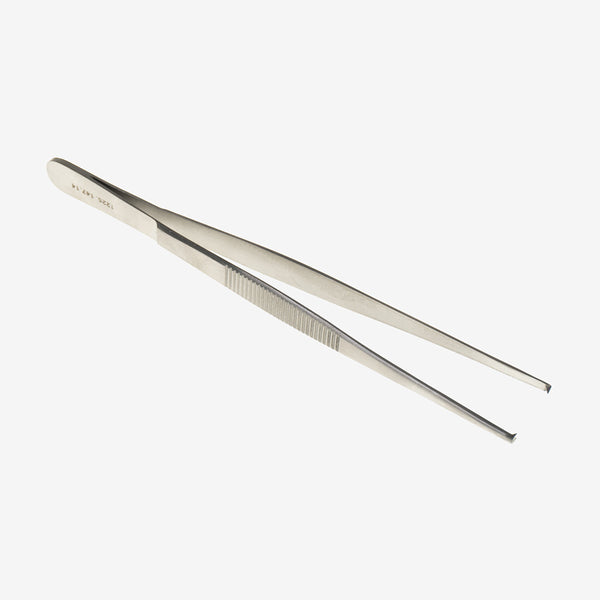
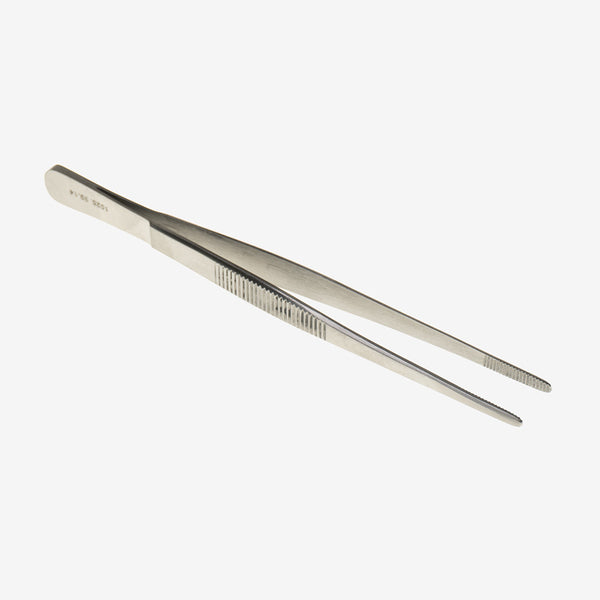
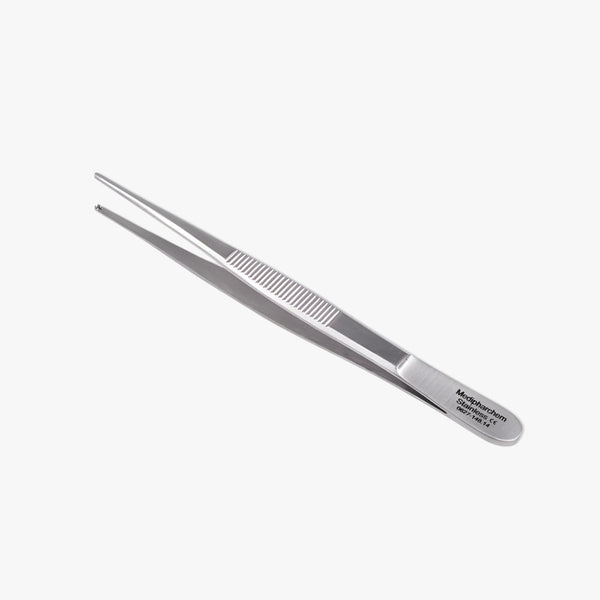
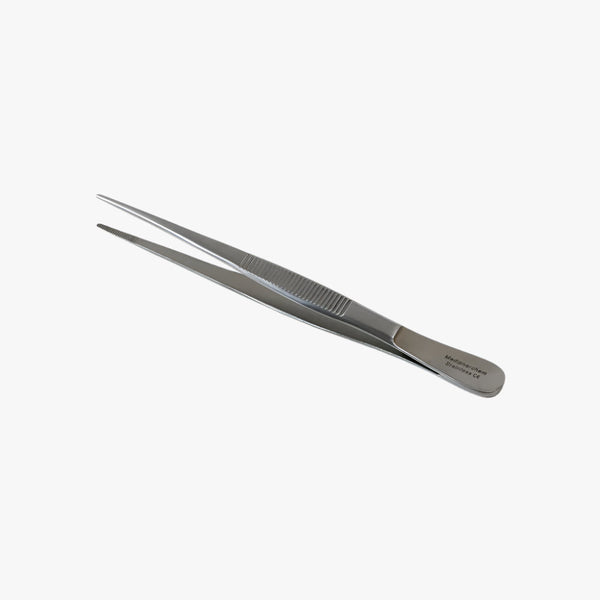
An anatomical forceps — dressing forceps — is toothless and grips materials, a surgical tissue forceps has 1x2 teeth and holds tissue, and DeBakey sits in between with finely serrated jaws.
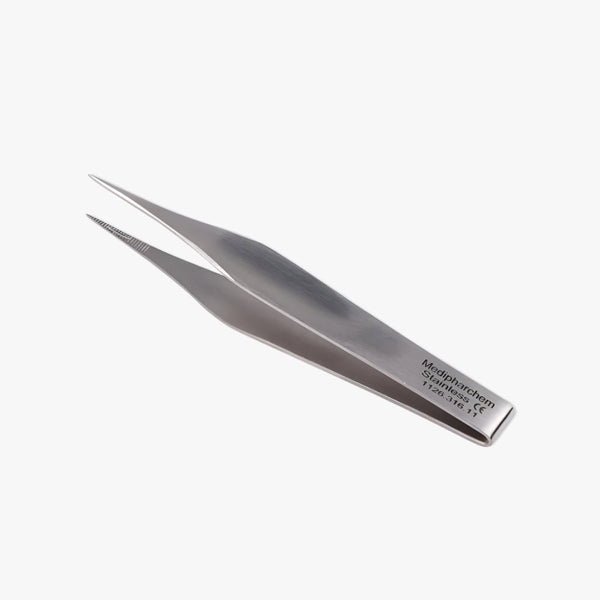
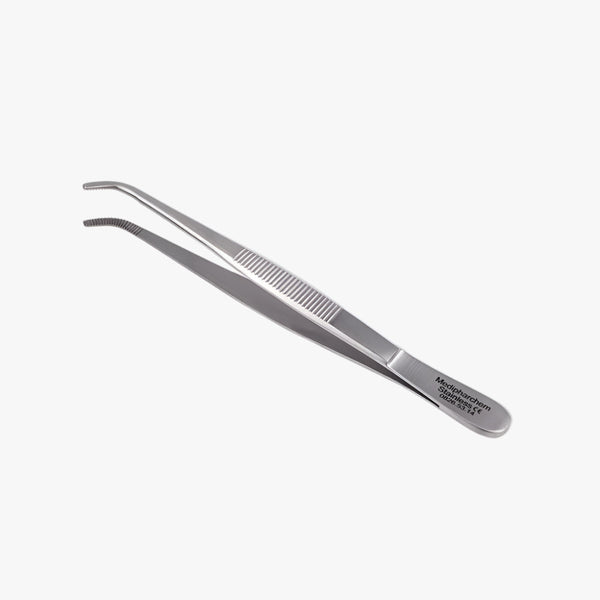
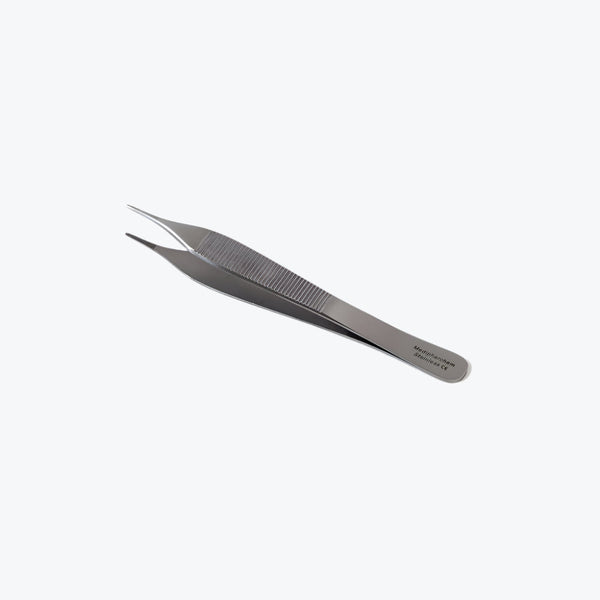
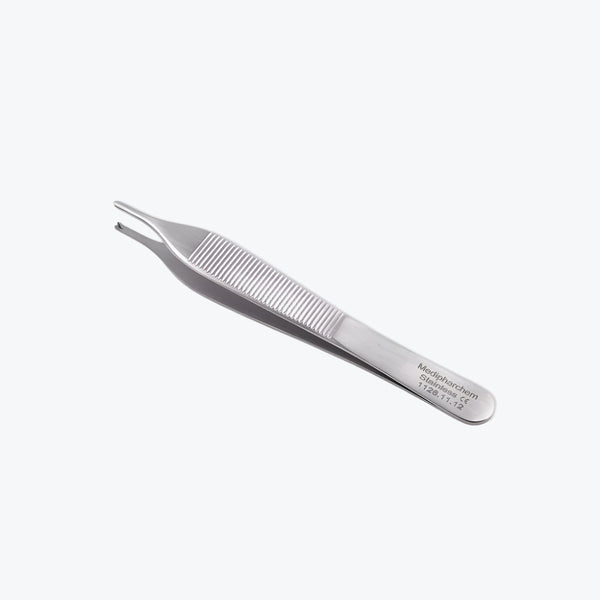
Adson in both dressing and tissue models, DeBakey, straight and curved 14 cm dressing forceps, tissue forceps with 1x2 teeth, Graefe iris forceps, Feilchenfeld splinter forceps and Ewald anatomical forceps — stainless steel instruments for the clinic, the emergency room and teaching.
Forceps — all products
Vanliga frågor om forceps
Which forceps should I get if I only buy one?
An anatomical dressing forceps of 14 cm is the most useful on its own — it handles swabs, tape, suture material and small objects without damaging anything. If you also need to hold tissue, you need a surgical forceps with 1x2 teeth alongside it; a toothless forceps then requires more pressure for the same grip.
What does 1x2 teeth mean?
That one arm ends in two teeth and the other in one, so that they interlock when the forceps is closed. The pattern gives a small, defined grip instead of a clamp across the whole surface. The same designation is used for artery forceps, for example Kocher and Mosquito with 1x2 teeth.
Straight or curved forceps?
Straight is the first choice and what most people work with. The curved model keeps the hand out of the line of sight and reaches into angles where a straight forceps has to be twisted — practical in narrow or deep fields. Many units have both in their set and choose according to the situation.
What sets Adson apart from ordinary forceps?
The size and proportions. Adson is shorter, 12 cm compared with the standard 14, and has a wider grip that tapers to a fine tip. This gives control in finer work without making the forceps hard to hold. The model is available with and without teeth.