EN

Country and language

  • Our own warehouse in Stockholm
  • Tracked shipping across the EU
  • Delivery time shown at checkout

Needle holders

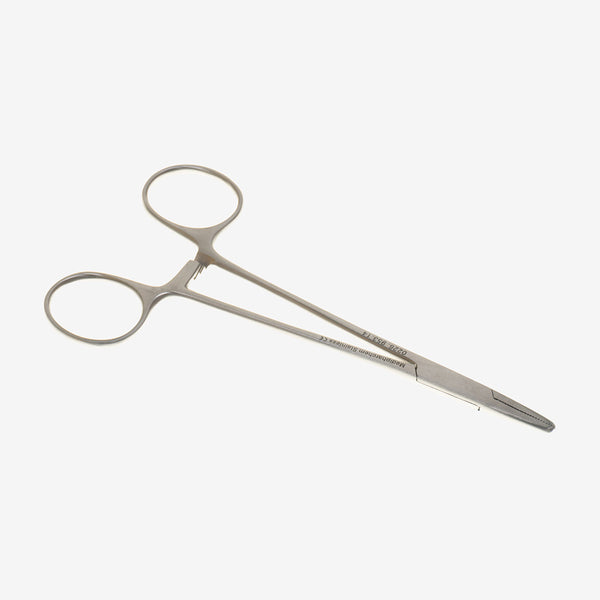
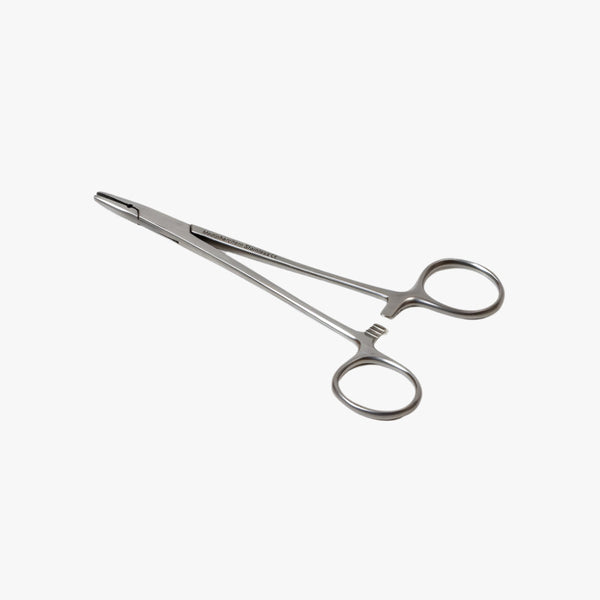
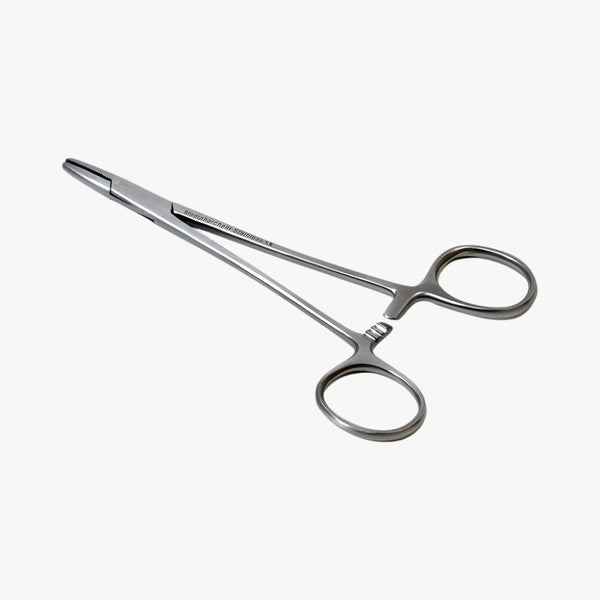
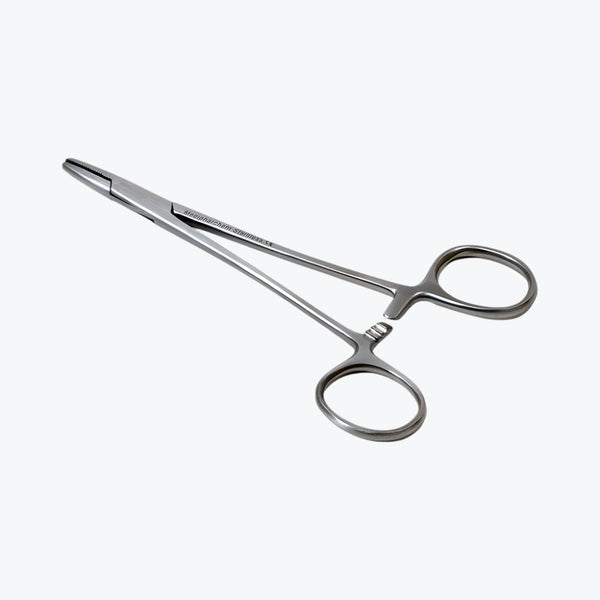
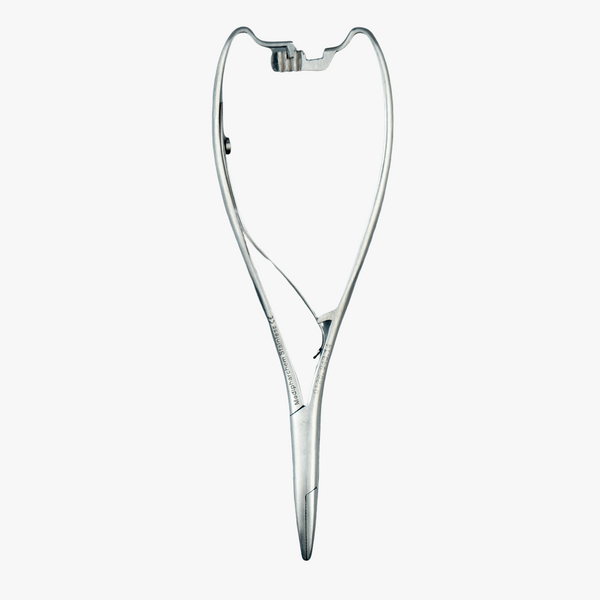
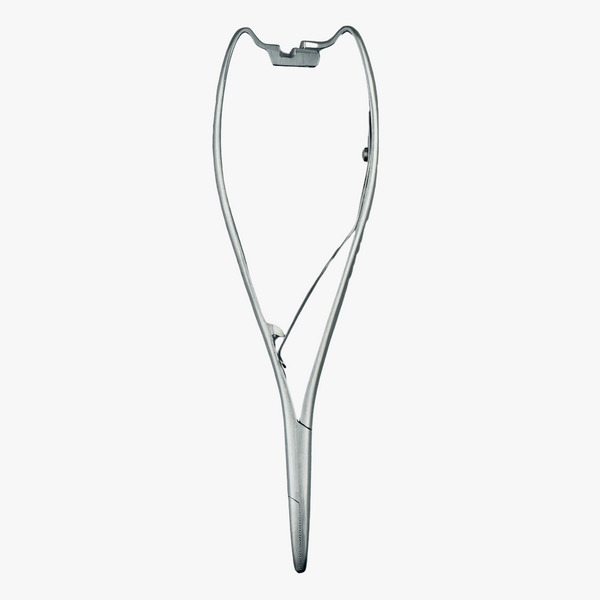
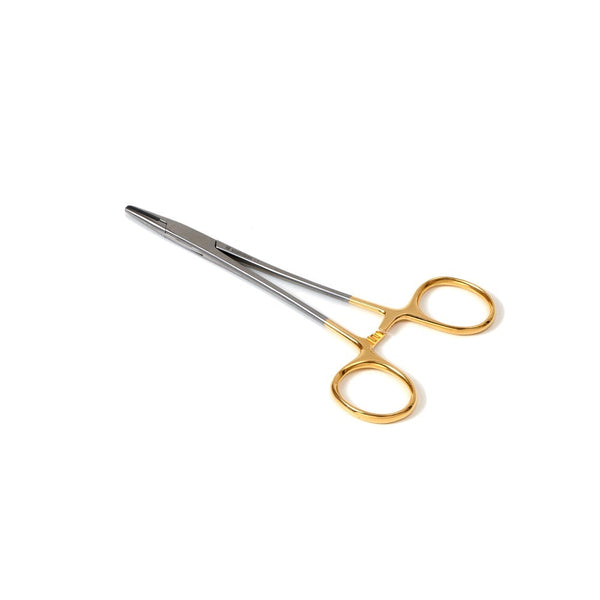
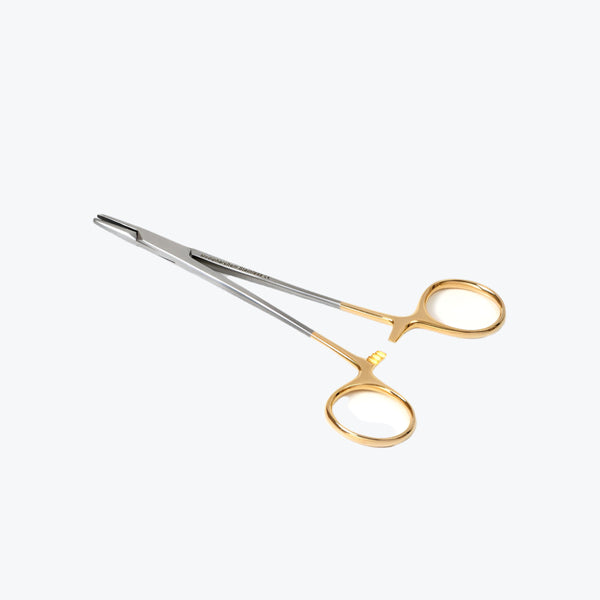
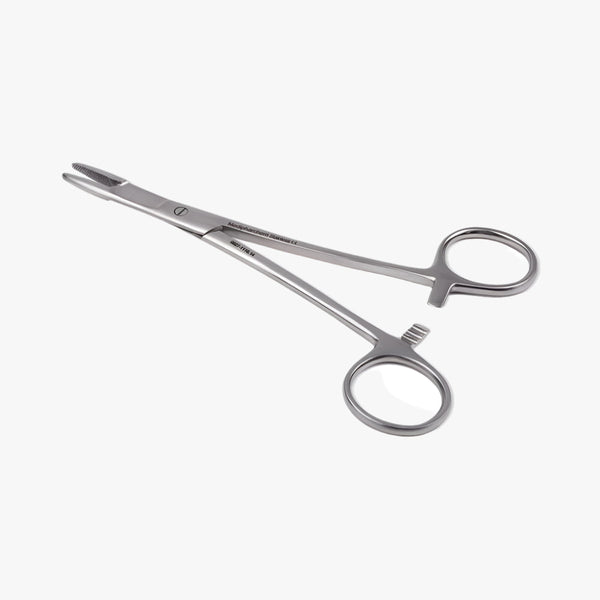
Needle holder and needle driver are two names for the same instrument. Mayo-Hegar is the standard model with ring handles, Olsen-Hegar has built-in scissors, Crile-Wood is slimmer and Mathieu locks with a squeeze of the hand.

Mayo-Hegar in 14, 16, 18 and 20 cm, Olsen-Hegar in 14 and 16 cm, Crile-Wood at 15 cm and Mathieu in 14 and 17 cm. Stainless steel instruments, one Mayo-Hegar model with tungsten carbide inserts in the jaws.

Filter and sort
Sort

Needle holders — all products

Mayo-Hegar needle holder 14 cm straightMedstuff
€18,95
1 left

Olsen-Hegar needle holder tungsten carbide 14 cmMedipharchem
€85,95
2 left

Olsen-Hegar needle holder 17 cmMedipharchem
€36,95
2 left

Mathieu needle holder 20 cmMedipharchem
€36,95
2 left

Crile-Wood needle holder 15 cmMedipharchem
€22,95
2 left

Mayo-Hegar needle holder 20 cmMedstuff
€26,95
2 left

Mayo-Hegar needle holder 18 cmMedstuff
€21,95
2 left

Needle holder Olsen-Hegar 14cm, stainless steelMedstuff
€24,95
5 left

Needle holder Mayo-Hegar 16 cm straightMedstuff
€20,95
Available

Needle holder Mayo-Hegar tungsten carbide 14 cm straightMedstuff
€60,95
Available

Mathieu needle holder 14 cm straightMedstuff
€28,95
5 left

Mathieu needle holder 17 cmMedstuff
€27,95
Available

Crile-Wood needle holder tungsten carbide 15 cmMedipharchem
€75,95
Temporarily out of stock

Mayo-Hegar needle holder tungsten carbide 16 cmMedipharchem
€82,95
Temporarily out of stock

Olsen-Hegar needle holder 16 cmMedipharchem
€25,95
Temporarily out of stock

Mayo-Hegar — the standard model

Ring handles, short and broad jaws with a cross-serrated grip, and a ratchet in the handle with several positions so the needle can be held with varying firmness. It is the needle holder most people have worked with and the one with the broadest fit. Length governs reach more than anything else: 14 cm for close work, 16–18 cm when more distance is needed between hand and field, 20 cm when the field lies deeper.

Olsen-Hegar — needle holder with scissors

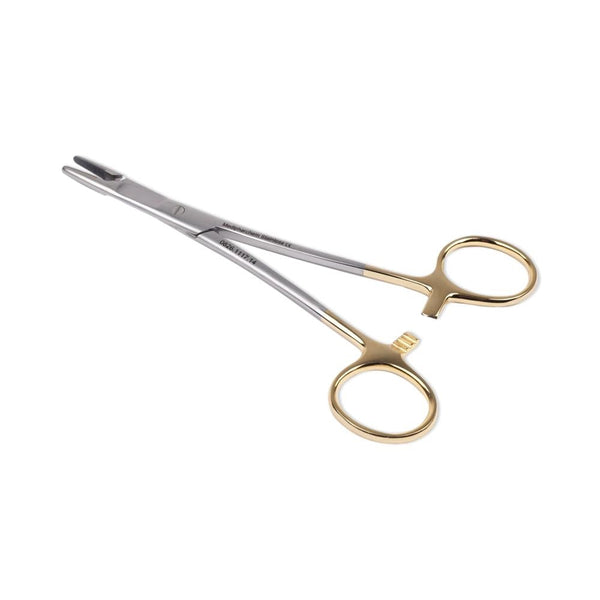
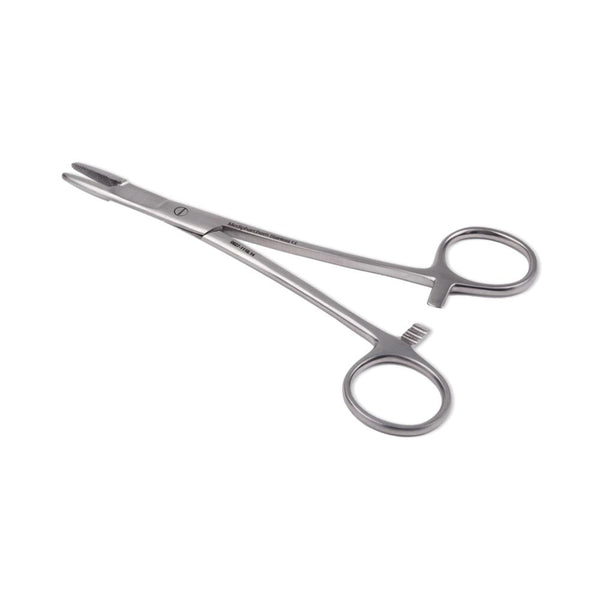
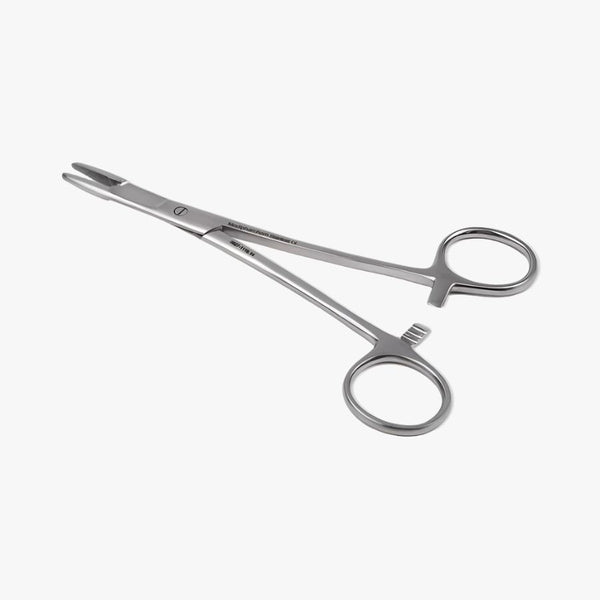
Olsen-Hegar is a Mayo-Hegar with a pair of scissor blades built in behind the jaws. The same instrument handles both the needle and cutting the suture, which saves one instrument change per stitch and makes it popular with those who suture alone. The drawback is the one you hear most often: until your hand is used to it, it is easy to cut the suture prematurely. Many therefore have both models and choose by habit.

Crile-Wood and Mathieu

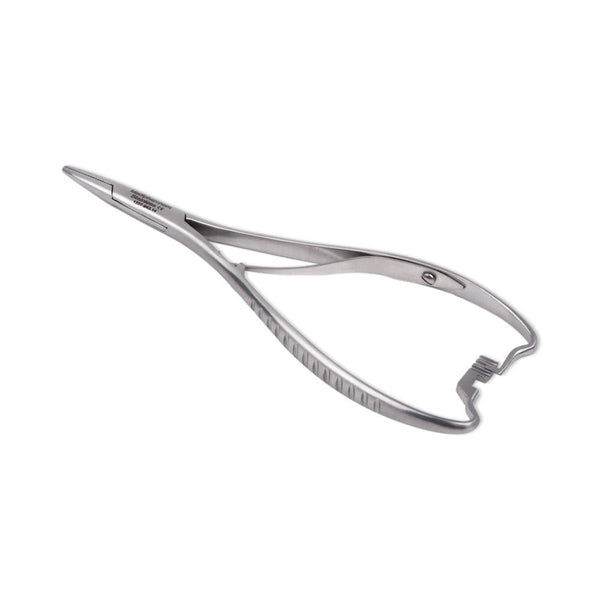
Crile-Wood is the slimmer variant of the same basic design — slimmer shanks and finer jaws, intended for thinner suture material and smaller needles. Mathieu looks different: curved handles that rest in the palm and a ratchet that locks and releases when you squeeze the grip, without the fingers having to go into any rings. It is known both as a needle holder and a needle driver — the same instrument, two names.

Tungsten carbide or plain steel

One of the Mayo-Hegar models has tungsten carbide inserts in the jaws. They are intended to give a firmer grip on the needle and keep the gripping surface longer than plain steel jaws do, which only becomes noticeable once the instrument has a few years of use behind it. The other models are stainless steel throughout.

The instruments withstand repeated cleaning; follow the manufacturer's instructions and your own sterilisation routine. See also surgical instruments, forceps and scissors.

Vanliga frågor om needle holders

Is it called a needle holder or a needle driver?

Both are established names for the same instrument. Needle holder is the most common term in instrument catalogues, and needle driver is used in parallel. What distinguishes the products is the model name — Mayo-Hegar, Olsen-Hegar, Crile-Wood or Mathieu — not the word.

Mayo-Hegar or Olsen-Hegar?

Mayo-Hegar is the standard choice and the instrument most people learned on. Olsen-Hegar does the same job but has scissor blades behind the jaws, so needle driving and cutting are done with one instrument. That saves time when you work alone, but requires your hand to be used to it — otherwise the suture is easily cut too early.

Which length should I choose?

14 cm is the most common and is sufficient for close, superficial work. 16–18 cm gives more distance between hand and field and a better view of the working area, and 20 cm is available for deeper work. Length affects reach, not the grip on the needle — that is determined by the jaws.

What do tungsten carbide inserts mean?

That the gripping surfaces of the jaws have inserts of a harder material than the rest of the instrument steel. The intention is for the gripping surface to hold the needle more securely and retain its structure longer than a plain steel jaw. In practice the difference only shows after longer use, so for occasional use an ordinary steel model does the same job.